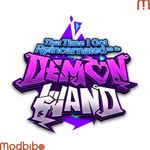
That Time I Got Reincarnated as a Demon Hand
Advertisement
Games Overview
That Time I Got Reincarnated as a Demon Hand is a chaotic roguelite with fast slap-based combat, stat builds, skills, items, bosses, and high replay value.
Table of Contents
That Time I Got Reincarnated as a Demon Hand – A Chaotic Roguelite Built on Humor and Fast Action
That Time I Got Reincarnated as a Demon Hand is an unusual roguelite action game that embraces absurd humor, fast reflex-based gameplay, and high replayability. Instead of playing as a hero, monster, or warrior, players take control of a sentient demonic hand, reincarnated into a strange fantasy world filled with unpredictable enemies and chaotic encounters.
The game blends arcade-style action with roguelite progression systems, allowing every run to feel different. Its lighthearted tone, exaggerated scenarios, and surprising depth have made it a niche favorite among players looking for something unconventional yet mechanically engaging.
A Strange Reincarnation With a Clear Goal
The premise of That Time I Got Reincarnated as a Demon Hand Game is intentionally ridiculous. After reincarnation, you awaken not as a powerful demon lord, but as a disembodied hand driven by instinct, survival, and mischief. The goal is simple: survive, grow stronger, and overcome increasingly difficult enemies and bosses.
While the narrative is minimal, the world design and enemy variety give the game personality. Each stage introduces new threats and challenges that require players to adapt their approach rather than rely on a single strategy.
Core Gameplay Loop Explained
At its core, That Time I Got Reincarnated as a Demon Hand Gameplay revolves around short, intense combat encounters. Each run starts with limited abilities and gradually evolves as players gain stats, skills, and items.
The controls are intentionally simple. Attacks are fast, responsive, and easy to understand, making the game approachable for new players. However, mastery requires precise timing, positioning, and smart decision-making.
Advertisement
Because the game follows a roguelite structure, failure is part of progression. Losing a run is not a setback but a learning opportunity that prepares players for the next attempt.
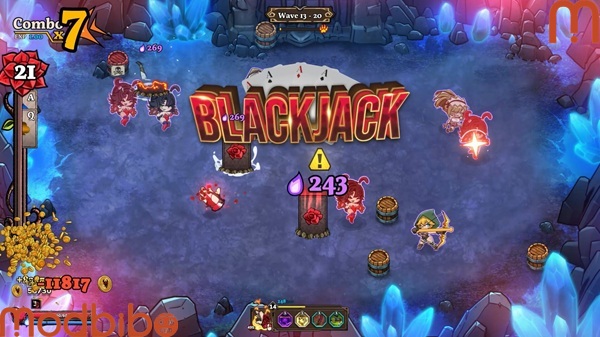
Slap-Based Combat and Enemy Interaction
Combat is built around close-range action. The demon hand relies on quick strikes, evasive movement, and situational awareness to survive. Enemies vary widely in behavior, forcing players to constantly adjust their approach.
Some foes rush aggressively, while others punish reckless movement. Boss encounters amplify these mechanics by introducing complex patterns and multi-phase fights. Victory depends on recognizing attack cues and managing positioning rather than overwhelming force.
This design keeps combat engaging across repeated runs, a key reason players search for extended That Time I Got Reincarnated as a Demon Hand Gameplay footage.
Stats and Character Development
Progression is driven by a robust stat system that allows players to shape their demon hand in multiple ways. Each run offers opportunities to improve core attributes such as power, speed, durability, and luck.
These stats influence how the hand performs in combat and how it interacts with enemies. A balanced build offers consistency, while specialized builds can lead to powerful but risky playstyles.
This flexibility encourages experimentation and contributes to the game’s strong replay value.
Skills, Abilities, and Build Variety
In addition to stats, players unlock a wide range of skills that dramatically change how the demon hand behaves. Some abilities enhance attack speed, others improve mobility or provide defensive options.
The freedom to mix and match skills allows for countless combinations. Over time, players develop preferred strategies, whether focusing on aggressive offense or careful control.
Because skills are randomized across runs, no two playthroughs feel identical. This unpredictability is central to the game’s roguelite appeal.
Items, Synergies, and Strategic Depth
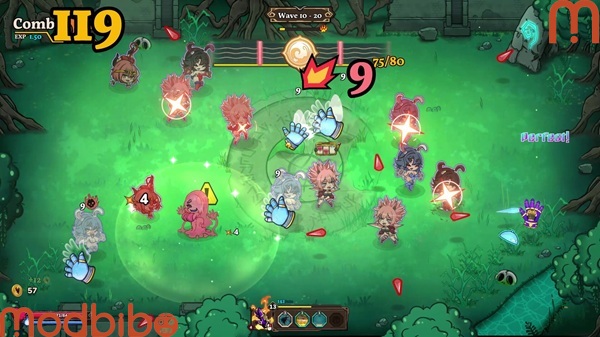
Items play a major role in shaping each run. Artifacts can boost stats, alter abilities, or introduce entirely new mechanics. Some items synergize exceptionally well, creating powerful combinations that can carry a run deep into later stages.
Learning which items complement certain builds is part of the long-term learning curve. Experienced players often seek out specific setups, while newcomers enjoy discovering unexpected interactions.
This system adds strategic depth beyond simple action, making the game more than a reflex test.
Enemies, Bosses, and Escalating Challenges
Enemy variety is one of the game’s strongest features. Each stage introduces new enemy types with distinct movement and attack patterns. This ensures that players cannot rely on muscle memory alone.
Boss encounters serve as major progression checkpoints. These fights are longer, more complex, and demand full use of the player’s abilities and understanding of mechanics.
Interest in That Time I Got Reincarnated as a Demon Hand Demon encounters often centers on these bosses, as they represent the game’s most demanding challenges.
Visual Style and Presentation
The game uses a stylized art direction that emphasizes clarity and personality. Character designs are exaggerated, environments are colorful, and animations are smooth and expressive.
Despite the chaotic action, visuals remain readable even during intense moments. This clarity is essential in a game where split-second decisions can determine success or failure.
Advertisement
The presentation supports the game’s humorous tone without distracting from gameplay.
Replay Value and Player Progression
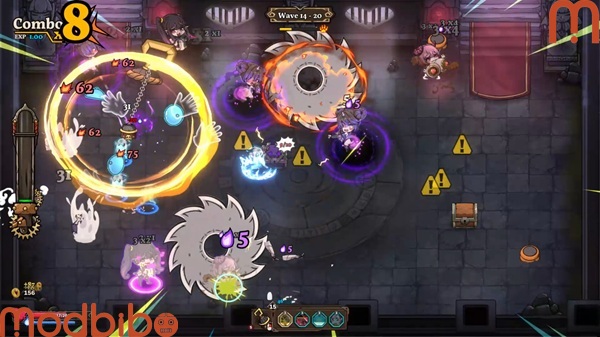
Replayability is a defining trait of That Time I Got Reincarnated as a Demon Hand. Randomized upgrades, varied enemies, and multiple viable builds ensure that each run feels fresh.
Players often aim to complete runs with different builds or challenge themselves by experimenting with unconventional strategies. This long-term engagement explains why many players look for That Time I Got Reincarnated as a Demon Hand Gallery content showcasing unique builds and encounters.
Community, Saves, and Experimentation
The community surrounding the game frequently discusses optimal builds, item synergies, and boss strategies. Some players explore advanced tactics using That Time I Got Reincarnated as a Demon Hand Save setups to test ideas or practice difficult sections.
This experimentation culture adds depth to the experience, as players learn not only from their own attempts but also from shared knowledge.
Platform Interest and Accessibility
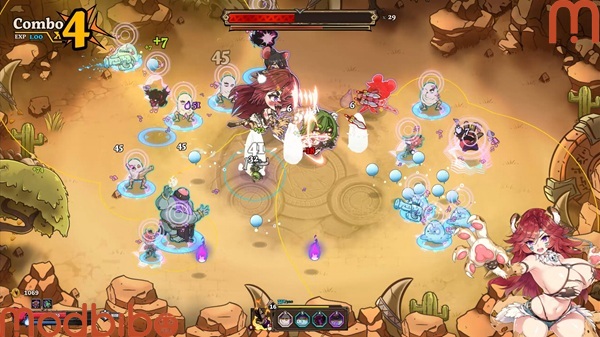
Search interest in That Time I Got Reincarnated as a Demon Hand Download reflects the game’s growing popularity among players seeking indie roguelites with a twist. Its straightforward controls and short session structure make it suitable for both casual play and extended sessions.
Despite its unusual premise, the game remains accessible thanks to intuitive mechanics and gradual difficulty scaling.
Overall Impressions
That Time I Got Reincarnated as a Demon Hand succeeds by committing fully to its identity. It does not try to be a traditional fantasy epic or a complex narrative experience. Instead, it focuses on fast, satisfying gameplay, replayability, and creative freedom.
Key strengths include:
-
Responsive and engaging combat
-
Deep build variety
-
Strong roguelite progression
-
Memorable enemy and boss design
The game rewards curiosity, adaptability, and persistence.
Final Thoughts
For players looking for a roguelite that values creativity and moment-to-moment action, That Time I Got Reincarnated as a Demon Hand offers a refreshingly unconventional experience. Its blend of humor, strategic depth, and replayability ensures that it stands out in a crowded genre.
Whether you enjoy experimenting with builds, mastering boss encounters, or simply experiencing something different, this game delivers a surprisingly polished and entertaining journey—one slap at a time.